Tesla’s Strategic Approach to Upgrading Door Handles to Comply with Revised Regulations
The iconic hidden door handle, symbolizing Tesla's minimalist design and aerodynamic focus, seems to be phasing out. China's Ministry of Industry and Information Technology (MIIT)...
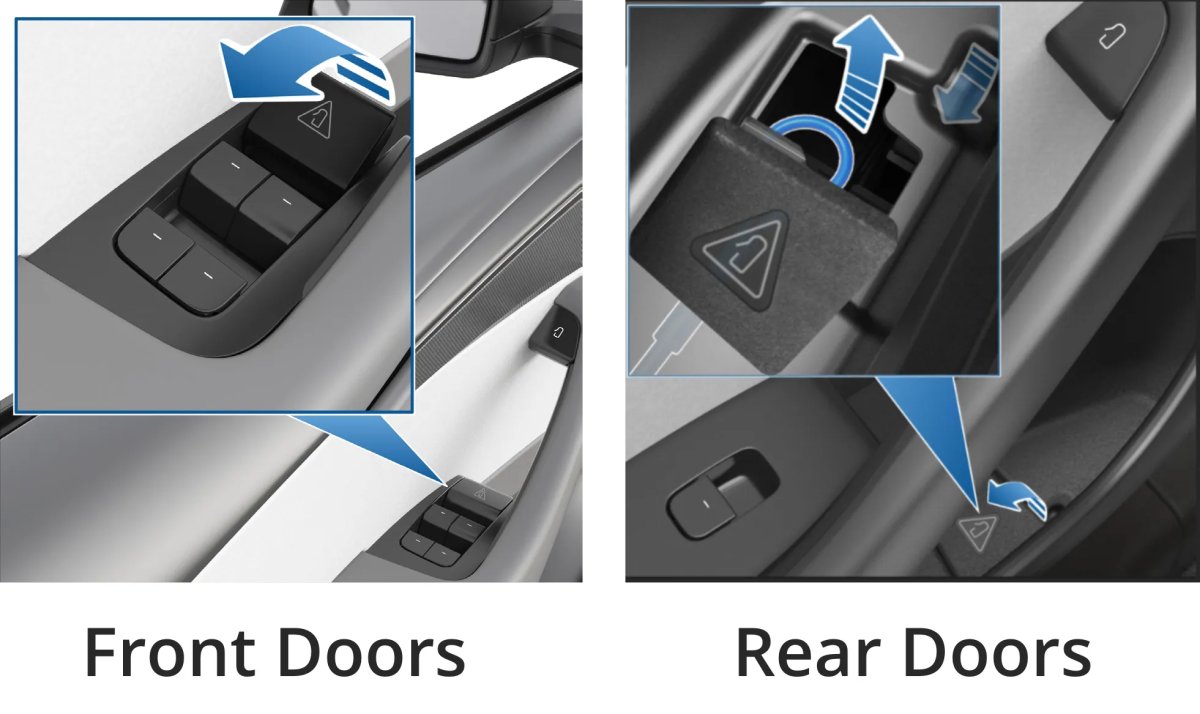
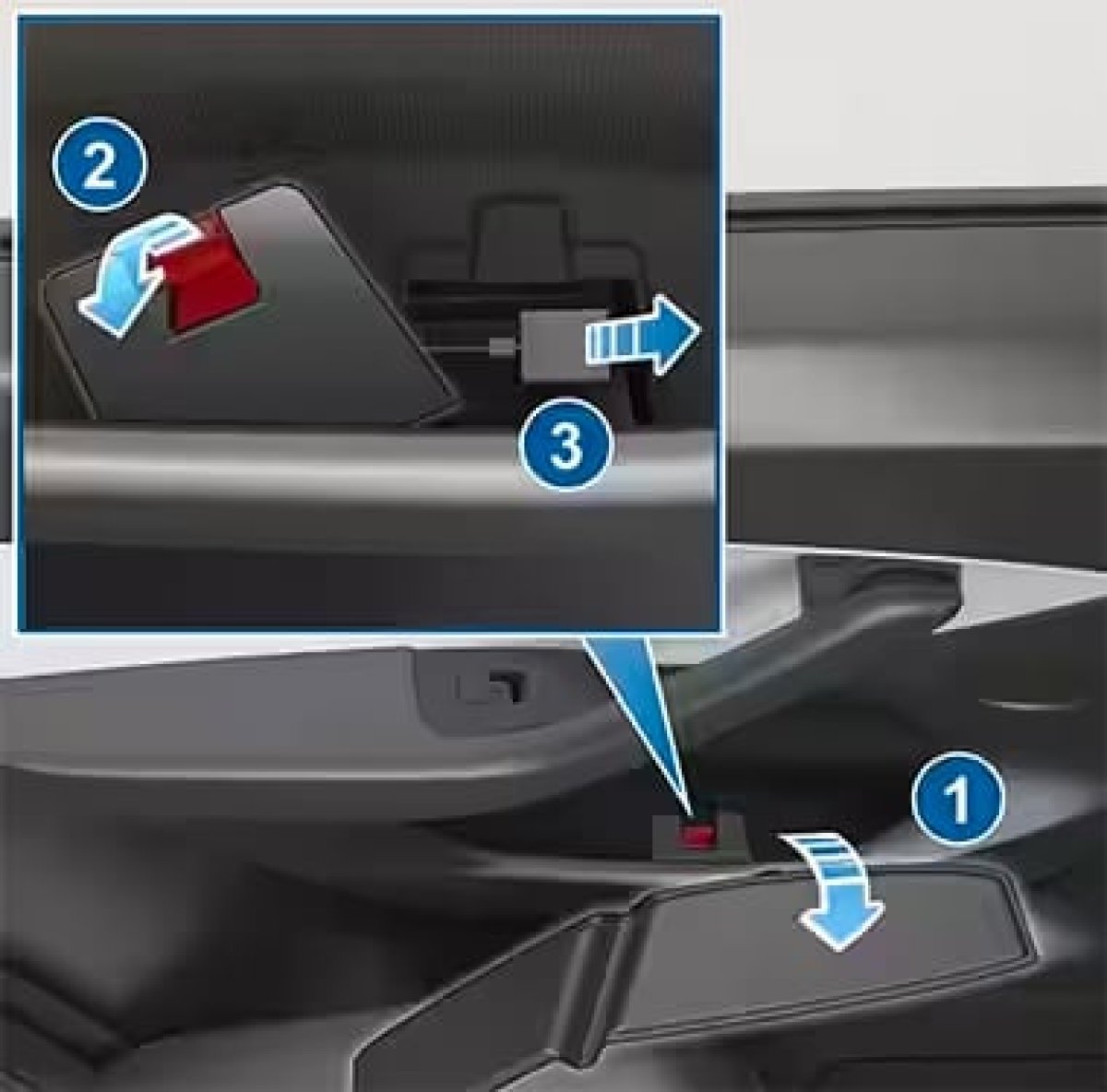
Tesla's iconic hidden door handle design, synonymous with its minimalist aesthetic and aerodynamic focus, is facing a transformation. The Chinese Ministry of Industry and Information Technology (MIIT) has introduced stringent safety regulations for vehicle entry systems, marking a pivotal shift in global automotive standards. In alignment with a concurrent investigation by the NHTSA in the United States, a new mandate has emerged: car door opening mechanisms must now be intuitive, mechanical, and easily accessible in emergencies, without the need for specialized knowledge.
This regulatory shift is expected to prompt a significant evolution in Tesla's design approach, impacting one of its most distinctive features. The new safety requirements, detailed in the "Safety Technical Requirements for Car Door Handles" draft released by MIIT on December 16, 2025, primarily aimed at the Chinese market, will likely influence Tesla's global production and design strategies, given its substantial manufacturing presence at Giga Shanghai and the heightened scrutiny from the NHTSA.
The emphasis of these regulations is on eliminating ambiguity during emergencies. The mandate specifies that vehicle doors must incorporate a mechanical release door handle as a fail-safe measure in case of electronic power failure. Notably, Chinese regulators stress the importance of ensuring these mechanisms are easily identifiable and operable within a defined physical space to facilitate straightforward manipulation, enabling anyone, regardless of familiarity with the vehicle, to open a door in an emergency—a current challenge faced by many interacting with Tesla's Model 3 and Model Y concealed exterior door handles.
These regulations pose a direct challenge to Tesla's existing design philosophy, necessitating significant interior modifications. The current design of models like the Model 3, Model Y, and Model X, with emergency mechanical releases concealed beneath compartments or trim pieces, may no longer align with the evolving safety standards. The NHTSA's investigation into Tesla's electronic door latches further underscores the urgency for adaptability and innovation in the automotive industry.
As regulators propel change, Tesla's design team is already exploring solutions to bridge the gap between electronic convenience and mechanical safety. The anticipated unified interface for electronic and mechanical latches could streamline door operation, combining both functionalities into a single handle to ensure ease of use in various scenarios, including power loss emergencies.
By aligning with the evolving regulatory landscape, Tesla aims to enhance safety, user experience, and design coherence. The impending global design changes, influenced by Chinese regulations and ongoing investigations, signal a paradigm shift in automotive safety standards, with Tesla poised to lead the charge towards a more secure and user-centric future.
This regulatory shift is expected to prompt a significant evolution in Tesla's design approach, impacting one of its most distinctive features. The new safety requirements, detailed in the "Safety Technical Requirements for Car Door Handles" draft released by MIIT on December 16, 2025, primarily aimed at the Chinese market, will likely influence Tesla's global production and design strategies, given its substantial manufacturing presence at Giga Shanghai and the heightened scrutiny from the NHTSA.
The emphasis of these regulations is on eliminating ambiguity during emergencies. The mandate specifies that vehicle doors must incorporate a mechanical release door handle as a fail-safe measure in case of electronic power failure. Notably, Chinese regulators stress the importance of ensuring these mechanisms are easily identifiable and operable within a defined physical space to facilitate straightforward manipulation, enabling anyone, regardless of familiarity with the vehicle, to open a door in an emergency—a current challenge faced by many interacting with Tesla's Model 3 and Model Y concealed exterior door handles.
These regulations pose a direct challenge to Tesla's existing design philosophy, necessitating significant interior modifications. The current design of models like the Model 3, Model Y, and Model X, with emergency mechanical releases concealed beneath compartments or trim pieces, may no longer align with the evolving safety standards. The NHTSA's investigation into Tesla's electronic door latches further underscores the urgency for adaptability and innovation in the automotive industry.
As regulators propel change, Tesla's design team is already exploring solutions to bridge the gap between electronic convenience and mechanical safety. The anticipated unified interface for electronic and mechanical latches could streamline door operation, combining both functionalities into a single handle to ensure ease of use in various scenarios, including power loss emergencies.
By aligning with the evolving regulatory landscape, Tesla aims to enhance safety, user experience, and design coherence. The impending global design changes, influenced by Chinese regulations and ongoing investigations, signal a paradigm shift in automotive safety standards, with Tesla poised to lead the charge towards a more secure and user-centric future.