Congress to Vote on Legislation That Could Pave the Way for Tesla’s Cybercab Launch
The U.S. House Committee on Energy and Commerce has scheduled a hearing for January 13, 2026, to review proposed automotive legislation. Among the measures under consideration is a potentially transformative provision affecting Tesla.
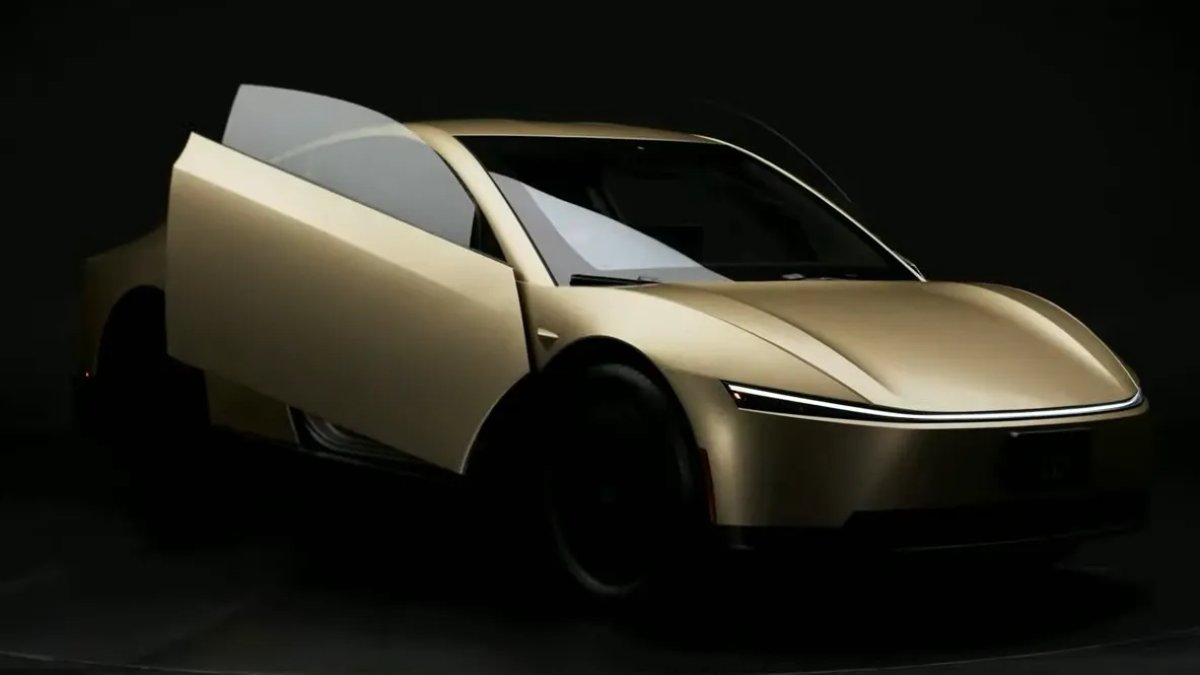
The U.S. House Committee on Energy and Commerce has scheduled a hearing for January 13, 2026, to consider new automotive legislation. One headline proposal would dramatically expand a key exemption that could enable Tesla to mass-produce its Cybercab: raising the annual cap on vehicles deployed without traditional human controls from 2,500 to 90,000.
The hearing — Examining Legislative Options to Strengthen Motor Vehicle Safety, Ensure Consumer Choice and Affordability, and Cement U.S. Automotive Leadership — will review several draft bills, including the SELF DRIVE Act of 2026. If enacted, that bill would remove a major constraint that has limited the commercial rollout of vehicles designed without steering wheels, pedals, or mirrors.
Under current federal law, automakers must meet the Federal Motor Vehicle Safety Standards (FMVSS), which assume human controls. Manufacturers can apply to the NHTSA for limited exemptions to test novel designs, but those exemptions are currently capped at 2,500 vehicles per year. That ceiling is workable for small pilot programs, but it is inadequate for companies seeking fleet-scale deployment.
The proposed increase to 90,000 vehicles annually — a 3,500% rise — would shift the exemption from a narrow research allowance to a viable commercial pathway, allowing companies like Tesla to deploy sizable Robotaxi fleets while the NHTSA develops broader autonomy policy.
The hearing will also address the fragmented regulatory environment that complicates deployment. A separate proposal would preempt state and local performance standards for autonomous systems, centralizing regulatory authority with the NHTSA. That change is intended to prevent municipalities and states, including jurisdictions such as California and New York City, from effectively blocking Robotaxi operations through their own ordinances and would create a uniform federal standard.
Lawmakers are framing these measures not only as safety and consumer-choice issues but as matters of industrial and geopolitical competitiveness. With Chinese automakers rapidly advancing driver-assist and autonomous technologies, there is bipartisan pressure to remove regulatory barriers that could hinder U.S. leadership and ensure American firms help set global standards for autonomy.
The hearing — Examining Legislative Options to Strengthen Motor Vehicle Safety, Ensure Consumer Choice and Affordability, and Cement U.S. Automotive Leadership — will review several draft bills, including the SELF DRIVE Act of 2026. If enacted, that bill would remove a major constraint that has limited the commercial rollout of vehicles designed without steering wheels, pedals, or mirrors.
Under current federal law, automakers must meet the Federal Motor Vehicle Safety Standards (FMVSS), which assume human controls. Manufacturers can apply to the NHTSA for limited exemptions to test novel designs, but those exemptions are currently capped at 2,500 vehicles per year. That ceiling is workable for small pilot programs, but it is inadequate for companies seeking fleet-scale deployment.
The proposed increase to 90,000 vehicles annually — a 3,500% rise — would shift the exemption from a narrow research allowance to a viable commercial pathway, allowing companies like Tesla to deploy sizable Robotaxi fleets while the NHTSA develops broader autonomy policy.
The hearing will also address the fragmented regulatory environment that complicates deployment. A separate proposal would preempt state and local performance standards for autonomous systems, centralizing regulatory authority with the NHTSA. That change is intended to prevent municipalities and states, including jurisdictions such as California and New York City, from effectively blocking Robotaxi operations through their own ordinances and would create a uniform federal standard.
Lawmakers are framing these measures not only as safety and consumer-choice issues but as matters of industrial and geopolitical competitiveness. With Chinese automakers rapidly advancing driver-assist and autonomous technologies, there is bipartisan pressure to remove regulatory barriers that could hinder U.S. leadership and ensure American firms help set global standards for autonomy.