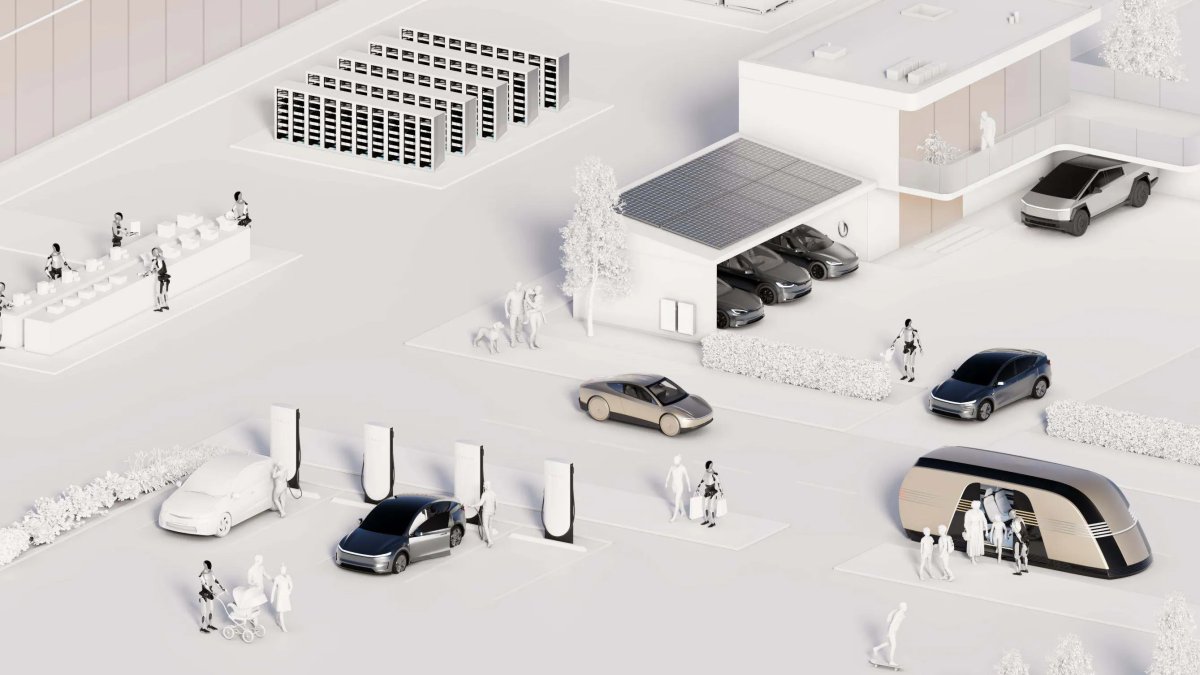
Everything Tesla Launched in 2025: A Comprehensive Overview
2025 has been a milestone year for Tesla. The company delivered a wave of hardware refinements and software enhancements and made substantial progress toward a truly autonomous future. From safety-critical upgrades to consumer-facing features, these developments have strengthened reliability while expanding capability across the fleet.
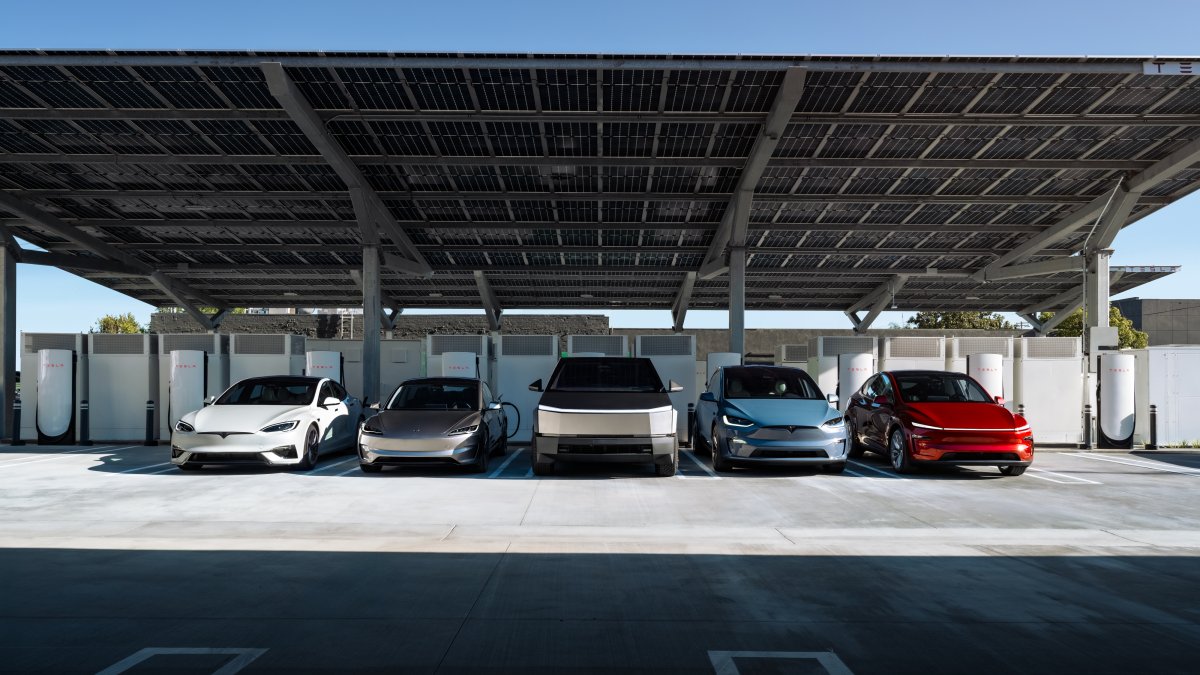
2025 was a watershed year for Tesla — a relentless run of hardware refinements, software evolution, and tangible progress toward autonomous mobility.
From safety-focused additions like Child Left Behind Detection to playful touches such as Tron Mode, Tesla shipped feature after feature while expanding FSD into multiple new continents. The company also unified FSD across its lineup, began migrating to a modern visualization stack, and launched the Robotaxi Network — the strategic cornerstone for future autonomy. As 2026 approaches, here are the defining moments that reshaped the company.
Q1 2025 — January to March
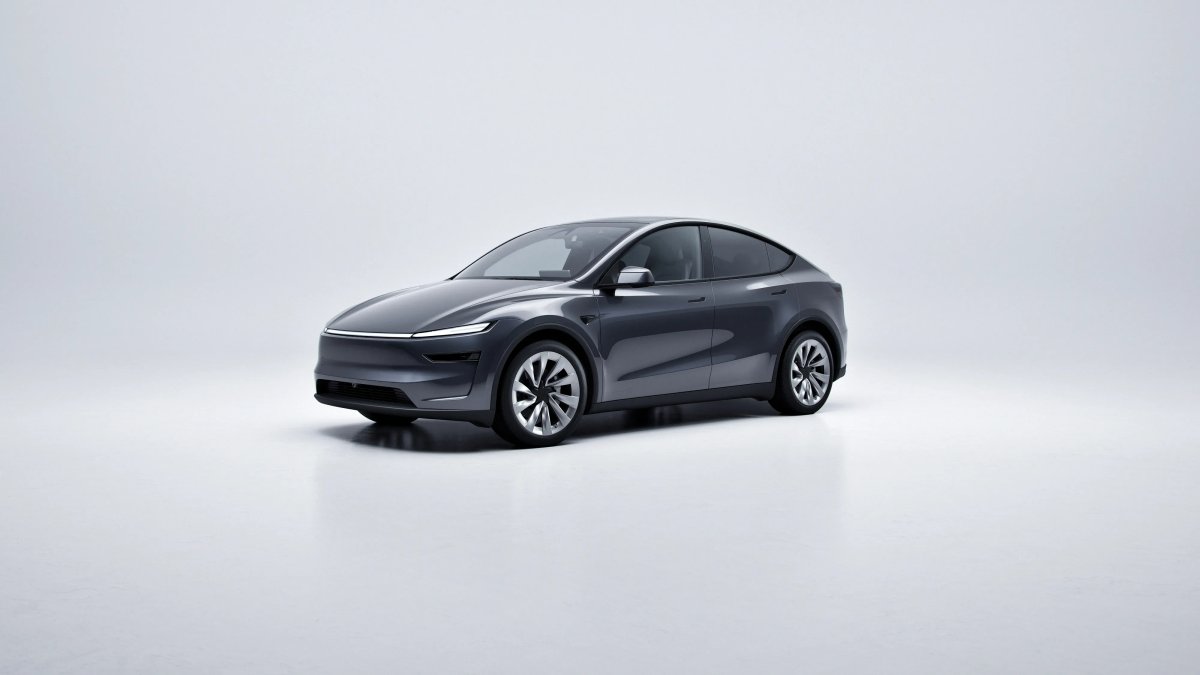
- The refreshed Model Y debuted in North America and Europe, aligning its aesthetics with the updated Model 3 and consolidating global manufacturing. Enhancements included acoustic glass, ventilated seats, a rear screen, and safety and efficiency upgrades to keep the world’s best-selling EV competitive.
- FSD launched in Mexico and China, marking a major step toward global deployment and demonstrating the autonomy stack’s adaptability to complex regulatory environments and diverse markets.
- Elon Musk pledged free hardware upgrades for HW3 owners who had purchased FSD outright if unsupervised FSD could not be achieved on the older hardware — a notable commitment to legacy customers.
- Android phones gained Hands-Free Trunk support via Ultra-wideband (UWB) about a year after iOS support. Tesla also rolled out In-Cabin Radar to improve occupant detection and classification.
Q2 2025 — April to June
- Tesla launched the Robotaxi Network in Austin with specially modified Model Y vehicles serving early-access riders inside an expanding geofence — a transition from proof-of-concept to live service.
- The 2025 Spring Update brought fleet-wide features including B-pillar dashcam recording, Avoid Highways, and Child Left Behind Detection, plus the return of toggleable 12V accessory power.
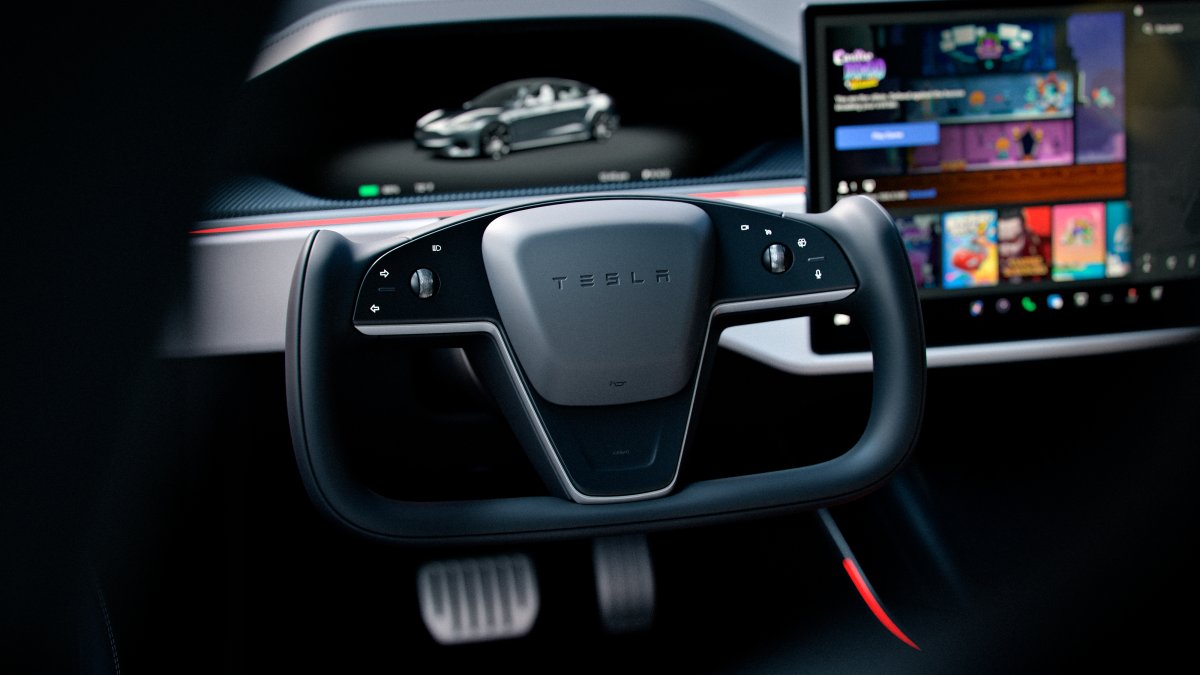
- Light refreshes of the Model S and Model X introduced a new Luxe Package and updated interiors to closer match the Cybertruck and refreshed Model 3/Model Y standards.
Q3 2025 — July to September
- Tesla began a transition to a new visualization system built on Unreal Engine, initially visible in the Model S and Model X — groundwork for a larger rollout expected in 2026.
- Low Power Mode launched in response to customer demand. China received the Model Y L, a notable six-seat, extended-wheelbase variant that may expand to other markets pending approvals.
- FSD V14 and plans for AI5 hardware were previewed, promising substantial gains in in-vehicle inference and compute. Tesla also committed to a V14 Lite for HW3 vehicles in mid-2026 to support older hardware while development continues on more capable AI4/AI5 platforms.
- FSD expanded to Australia and New Zealand, and FSD V14 released with major performance improvements, new driving behaviors (Sloth and Mad Max modes), Parking at Destination, and a refreshed UI.
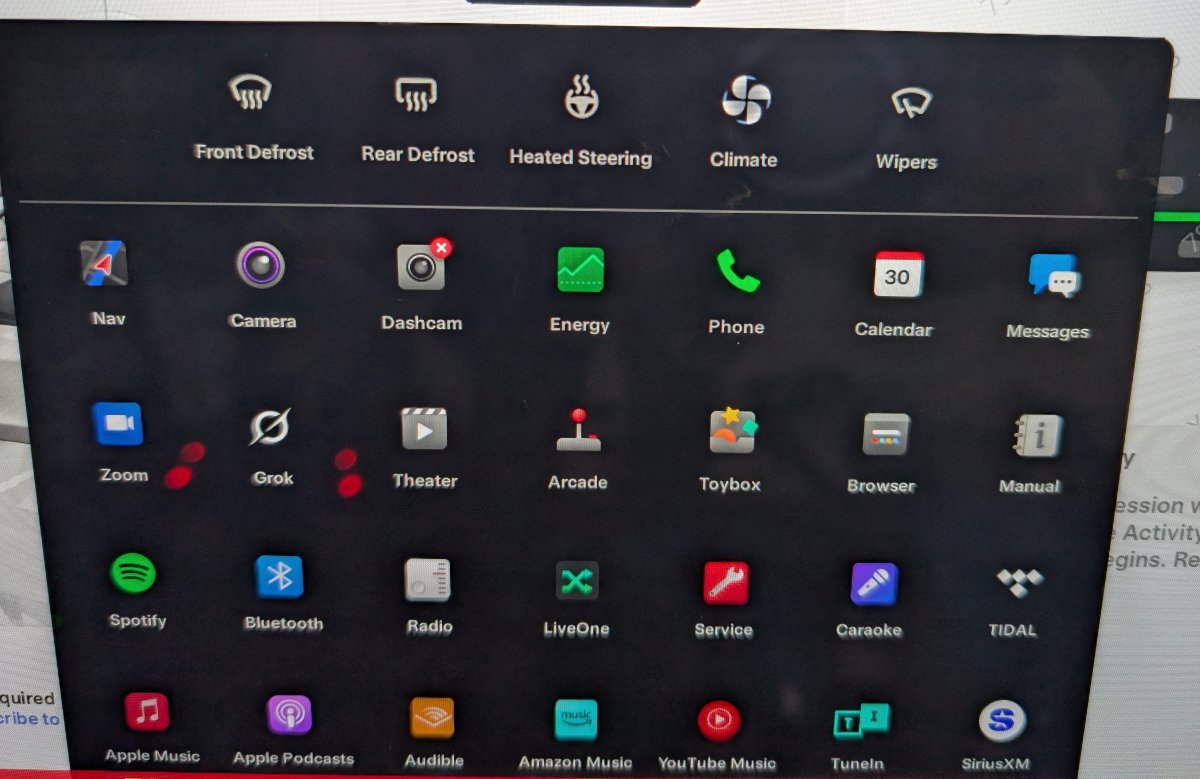
- The Summer Update introduced in-vehicle Grok — a versatile assistant with multiple personalities for tasks like tutoring, storytelling, and general help — and announced a large expansion of visualization assets to better represent vehicle perception.
- In Energy, Tesla held the Las Megas event to unveil Megapack 3 and Megablock, advanced charging capabilities including 500 kW for the Cybertruck, and new milestones such as the Tesla Diner.
- Shareholders approved a record-setting executive pay package tied to highly ambitious milestones, including a market-valuation target that drew broad attention.
Q4 2025 — October to December
- With the Robotaxi pilot proving viable and FSD maturing as a point-to-point system, Tesla focused on the compute and training infrastructure needed for scale, signing major agreements with chip fabs to preserve an AI edge. AI5 is positioned as the next step, with AI6 aimed at deeper integration between training and vehicles.
- The 2025 Fall Update added 3D buildings, Tron Mode, and refreshed charging visualizations.
- The Holiday Update introduced Grok Navigation Commands, an updated Santa Mode, Dashcam FSD overlays, Supercharger site maps, and other seasonal features.
- Tesla made progress toward FSD deployment in Europe, overcoming stringent UNECE requirements through extensive validation and regulatory engagement. Demonstration drives were made available in several countries as European rollout continued to be validated for 2026.
Looking ahead to 2026
By the end of 2025, Tesla had largely unified hardware across its fleet, scaled key software globally, and accelerated compute deployments. If 2025 proved the system works, 2026 is poised to be the year Tesla scales that system worldwide.
From safety-focused additions like Child Left Behind Detection to playful touches such as Tron Mode, Tesla shipped feature after feature while expanding FSD into multiple new continents. The company also unified FSD across its lineup, began migrating to a modern visualization stack, and launched the Robotaxi Network — the strategic cornerstone for future autonomy. As 2026 approaches, here are the defining moments that reshaped the company.
Q1 2025 — January to March
- The refreshed Model Y debuted in North America and Europe, aligning its aesthetics with the updated Model 3 and consolidating global manufacturing. Enhancements included acoustic glass, ventilated seats, a rear screen, and safety and efficiency upgrades to keep the world’s best-selling EV competitive.
- FSD launched in Mexico and China, marking a major step toward global deployment and demonstrating the autonomy stack’s adaptability to complex regulatory environments and diverse markets.
- Elon Musk pledged free hardware upgrades for HW3 owners who had purchased FSD outright if unsupervised FSD could not be achieved on the older hardware — a notable commitment to legacy customers.
- Android phones gained Hands-Free Trunk support via Ultra-wideband (UWB) about a year after iOS support. Tesla also rolled out In-Cabin Radar to improve occupant detection and classification.
Q2 2025 — April to June
- Tesla launched the Robotaxi Network in Austin with specially modified Model Y vehicles serving early-access riders inside an expanding geofence — a transition from proof-of-concept to live service.
- The 2025 Spring Update brought fleet-wide features including B-pillar dashcam recording, Avoid Highways, and Child Left Behind Detection, plus the return of toggleable 12V accessory power.
- Light refreshes of the Model S and Model X introduced a new Luxe Package and updated interiors to closer match the Cybertruck and refreshed Model 3/Model Y standards.
Q3 2025 — July to September
- Tesla began a transition to a new visualization system built on Unreal Engine, initially visible in the Model S and Model X — groundwork for a larger rollout expected in 2026.
- Low Power Mode launched in response to customer demand. China received the Model Y L, a notable six-seat, extended-wheelbase variant that may expand to other markets pending approvals.
- FSD V14 and plans for AI5 hardware were previewed, promising substantial gains in in-vehicle inference and compute. Tesla also committed to a V14 Lite for HW3 vehicles in mid-2026 to support older hardware while development continues on more capable AI4/AI5 platforms.
- FSD expanded to Australia and New Zealand, and FSD V14 released with major performance improvements, new driving behaviors (Sloth and Mad Max modes), Parking at Destination, and a refreshed UI.
- The Summer Update introduced in-vehicle Grok — a versatile assistant with multiple personalities for tasks like tutoring, storytelling, and general help — and announced a large expansion of visualization assets to better represent vehicle perception.
- In Energy, Tesla held the Las Megas event to unveil Megapack 3 and Megablock, advanced charging capabilities including 500 kW for the Cybertruck, and new milestones such as the Tesla Diner.
- Shareholders approved a record-setting executive pay package tied to highly ambitious milestones, including a market-valuation target that drew broad attention.
Q4 2025 — October to December
- With the Robotaxi pilot proving viable and FSD maturing as a point-to-point system, Tesla focused on the compute and training infrastructure needed for scale, signing major agreements with chip fabs to preserve an AI edge. AI5 is positioned as the next step, with AI6 aimed at deeper integration between training and vehicles.
- The 2025 Fall Update added 3D buildings, Tron Mode, and refreshed charging visualizations.
- The Holiday Update introduced Grok Navigation Commands, an updated Santa Mode, Dashcam FSD overlays, Supercharger site maps, and other seasonal features.
- Tesla made progress toward FSD deployment in Europe, overcoming stringent UNECE requirements through extensive validation and regulatory engagement. Demonstration drives were made available in several countries as European rollout continued to be validated for 2026.
Looking ahead to 2026
By the end of 2025, Tesla had largely unified hardware across its fleet, scaled key software globally, and accelerated compute deployments. If 2025 proved the system works, 2026 is poised to be the year Tesla scales that system worldwide.