Tesla's Strategic Roadmap for 2026
If 2025 was the year Tesla unveiled major new products, 2026 looks set to be the year those innovations reach the mainstream. The proof-of-concept phase behind two of Tesla’s most ambitious projects — FSD and the Robotaxi — appears to be drawing to a close.
If 2025 was the year Tesla unveiled major new products, 2026 looks set to be the year those products reach scale. The proof-of-concept phase behind Tesla’s largest initiatives — Full Self-Driving (FSD) and Robotaxi — is winding down.
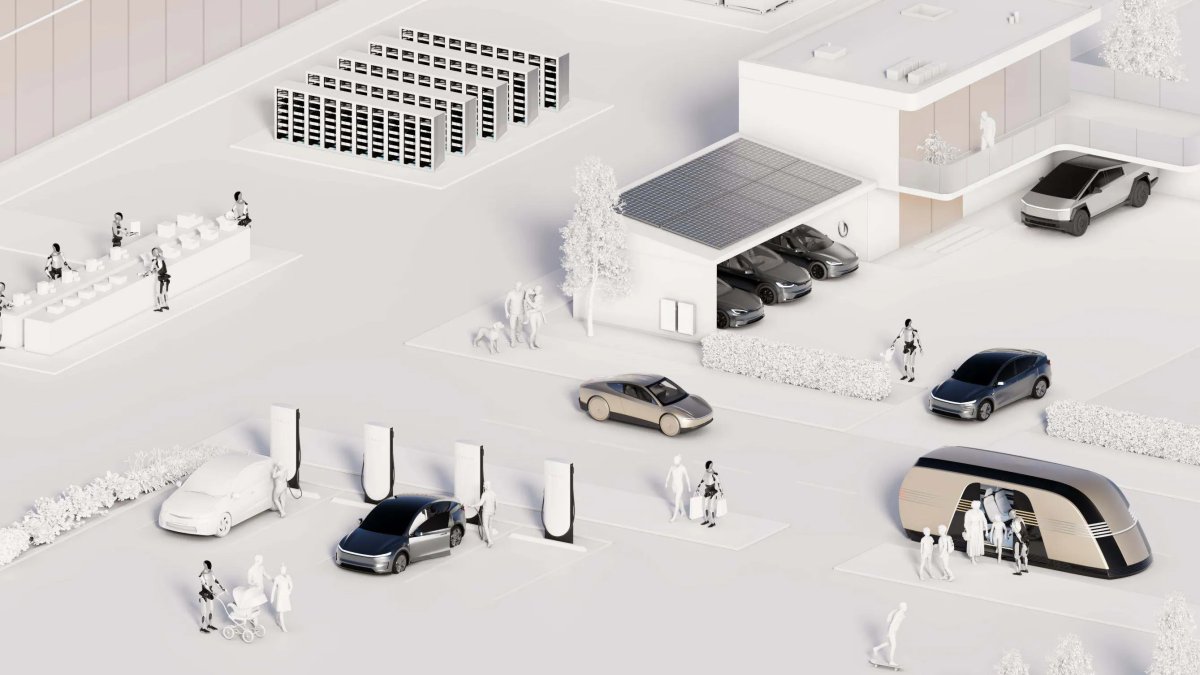
Robotaxi shuttles are already transporting employees around Austin without human safety monitors, and FSD has expanded across three continents. In 2026 the focus shifts to scaling: broader FSD deployment (both supervised and unsupervised), expansion of the Robotaxi Network, and ramping new vehicle programs such as the Cybercab and Tesla Semi.
Standardizing global autonomy
The biggest change next year will be FSD’s evolution from a North America-focused beta into a truly global product. Tesla is running FSD demo rides in Europe and could seek a launch as early as Q1 2026. Approval in UNECE jurisdictions would instantly open FSD to many more markets beyond Europe—countries that follow UNECE regulations could adopt the system rapidly.
In North America the emphasis is moving from Supervised FSD, which now surpasses average human safety margins, toward Unsupervised FSD. Tesla is targeting a 2026 introduction of Unsupervised FSD, likely first within geofenced zones in selected cities and states.
More vehicles, more choices
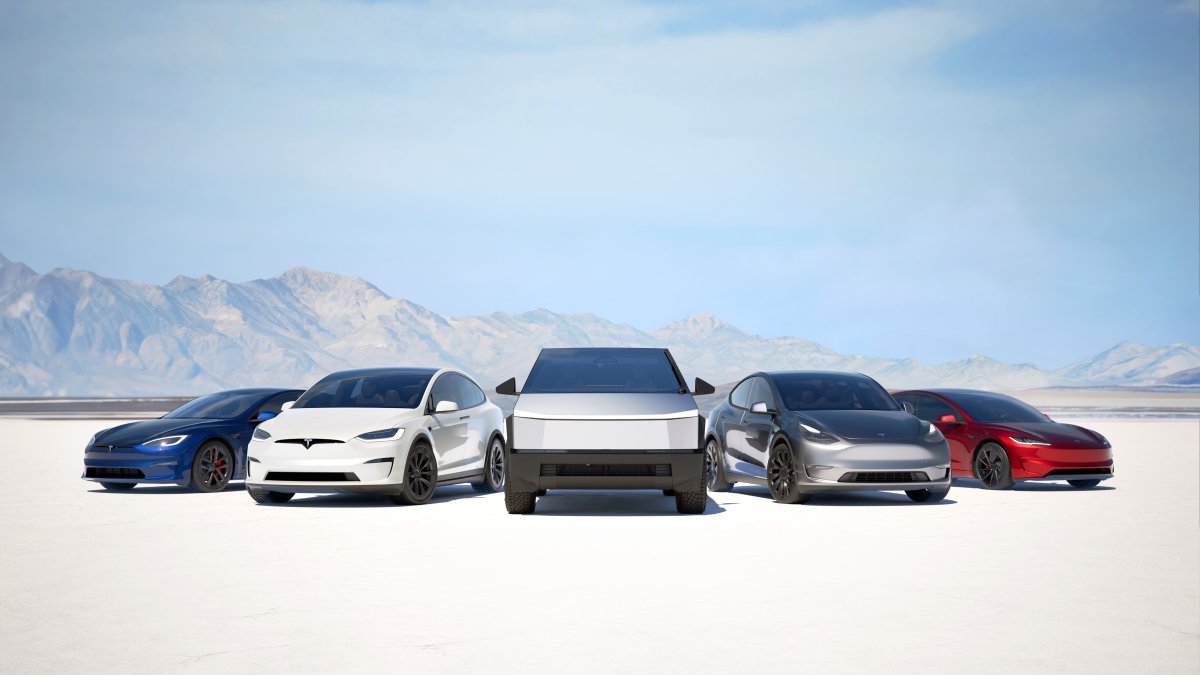
With the S3XY lineup largely refreshed, Tesla can focus design and production efforts elsewhere. The Model Y L (extended-wheelbase) is progressing through European regulatory approval and could enter production at Giga Berlin soon. If the European rollout succeeds, a North American release remains possible — the six-seat configuration provides family-oriented utility without the Model X’s premium price.
The Cybertruck began leaving North America in late 2025, with deliveries in South Korea and plans for the UAE and Saudi Arabia; Australia is a logical next market. Meanwhile, Tesla’s Nevada factory is ramping the Semi into full-scale production after pilot builds in 2024–2025. With validation from customers such as PepsiCo and DHL and incoming contracts from regional carriers, Semis could become a familiar sight on North American highways.
Robotaxi ramp-up
Austin’s pilot and the Bay Area ridesharing program have been proof points. In 2026 the Robotaxi Network may reach the mainstream: more cities, more vehicles, and the debut of the Cybercab — a purpose-built, driverless taxi without traditional controls. The Cybercab should materially lower per-ride costs, helping commercialize the network as Tesla accelerates vehicle production.
Over-the-air evolution
Tesla is preparing the in-car experience for richer visuals and faster feature rollout. A transition to Unreal Engine is likely in 2026, promising higher-fidelity displays and additional UI capabilities. Tesla is also committing updates to its legacy fleet: FSD V14‑Lite is slated for mid-2026, bringing many V14 features to HW3-equipped vehicles. While older hardware may not match the full responsiveness of newer compute platforms, owners can still expect improvements such as Park at Destination, Speed Profiles, and an enhanced interface.
Tesla Energy
Energy storage will be another growth front. Megablock architecture is simplifying installations, and 2026 could see energy deployments scale at rates comparable to Tesla’s automotive growth. Global grid demand is high, and Tesla currently has unique capacity to meet that need.
Outlook
2026 promises to be a year of transition from demonstration to widespread deployment. Hardware is maturing, autonomy projects are expanding, and new vehicle and energy products are poised to scale—making it a pivotal year for Tesla’s push from early adopters to mass-market adoption.
Robotaxi shuttles are already transporting employees around Austin without human safety monitors, and FSD has expanded across three continents. In 2026 the focus shifts to scaling: broader FSD deployment (both supervised and unsupervised), expansion of the Robotaxi Network, and ramping new vehicle programs such as the Cybercab and Tesla Semi.
Standardizing global autonomy
The biggest change next year will be FSD’s evolution from a North America-focused beta into a truly global product. Tesla is running FSD demo rides in Europe and could seek a launch as early as Q1 2026. Approval in UNECE jurisdictions would instantly open FSD to many more markets beyond Europe—countries that follow UNECE regulations could adopt the system rapidly.
In North America the emphasis is moving from Supervised FSD, which now surpasses average human safety margins, toward Unsupervised FSD. Tesla is targeting a 2026 introduction of Unsupervised FSD, likely first within geofenced zones in selected cities and states.
More vehicles, more choices
With the S3XY lineup largely refreshed, Tesla can focus design and production efforts elsewhere. The Model Y L (extended-wheelbase) is progressing through European regulatory approval and could enter production at Giga Berlin soon. If the European rollout succeeds, a North American release remains possible — the six-seat configuration provides family-oriented utility without the Model X’s premium price.
The Cybertruck began leaving North America in late 2025, with deliveries in South Korea and plans for the UAE and Saudi Arabia; Australia is a logical next market. Meanwhile, Tesla’s Nevada factory is ramping the Semi into full-scale production after pilot builds in 2024–2025. With validation from customers such as PepsiCo and DHL and incoming contracts from regional carriers, Semis could become a familiar sight on North American highways.
Robotaxi ramp-up
Austin’s pilot and the Bay Area ridesharing program have been proof points. In 2026 the Robotaxi Network may reach the mainstream: more cities, more vehicles, and the debut of the Cybercab — a purpose-built, driverless taxi without traditional controls. The Cybercab should materially lower per-ride costs, helping commercialize the network as Tesla accelerates vehicle production.
Over-the-air evolution
Tesla is preparing the in-car experience for richer visuals and faster feature rollout. A transition to Unreal Engine is likely in 2026, promising higher-fidelity displays and additional UI capabilities. Tesla is also committing updates to its legacy fleet: FSD V14‑Lite is slated for mid-2026, bringing many V14 features to HW3-equipped vehicles. While older hardware may not match the full responsiveness of newer compute platforms, owners can still expect improvements such as Park at Destination, Speed Profiles, and an enhanced interface.
Tesla Energy
Energy storage will be another growth front. Megablock architecture is simplifying installations, and 2026 could see energy deployments scale at rates comparable to Tesla’s automotive growth. Global grid demand is high, and Tesla currently has unique capacity to meet that need.
Outlook
2026 promises to be a year of transition from demonstration to widespread deployment. Hardware is maturing, autonomy projects are expanding, and new vehicle and energy products are poised to scale—making it a pivotal year for Tesla’s push from early adopters to mass-market adoption.