Elon Musk Suggests That Cybercab's Groundbreaking Innovation is More Than Meets the Eye
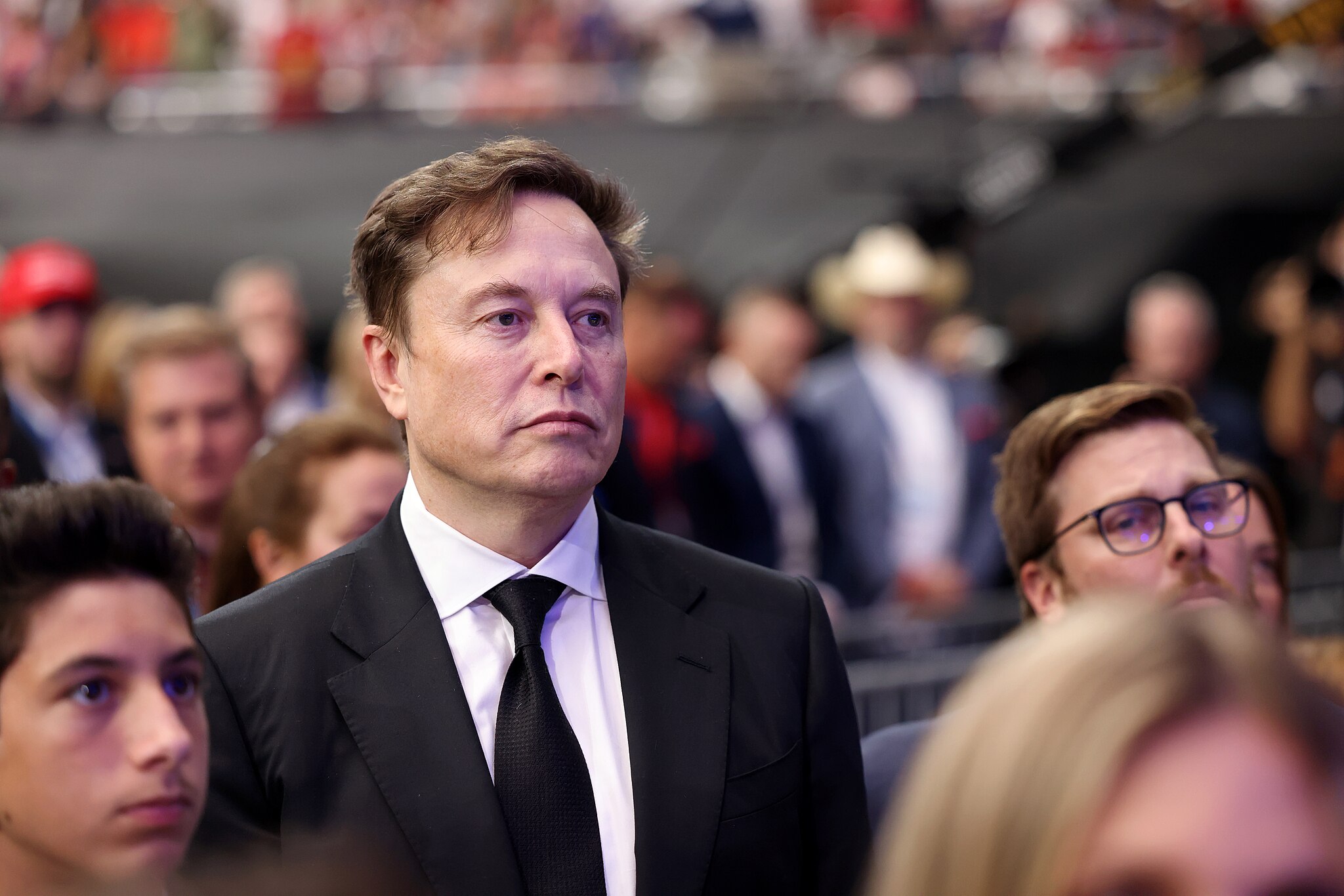
When Elon Musk replied to a user who described the Cybercab as a piece of art, stating, "And there is so much to this car that is not obvious on the surface," his response went beyond modesty or deflecting compliments.
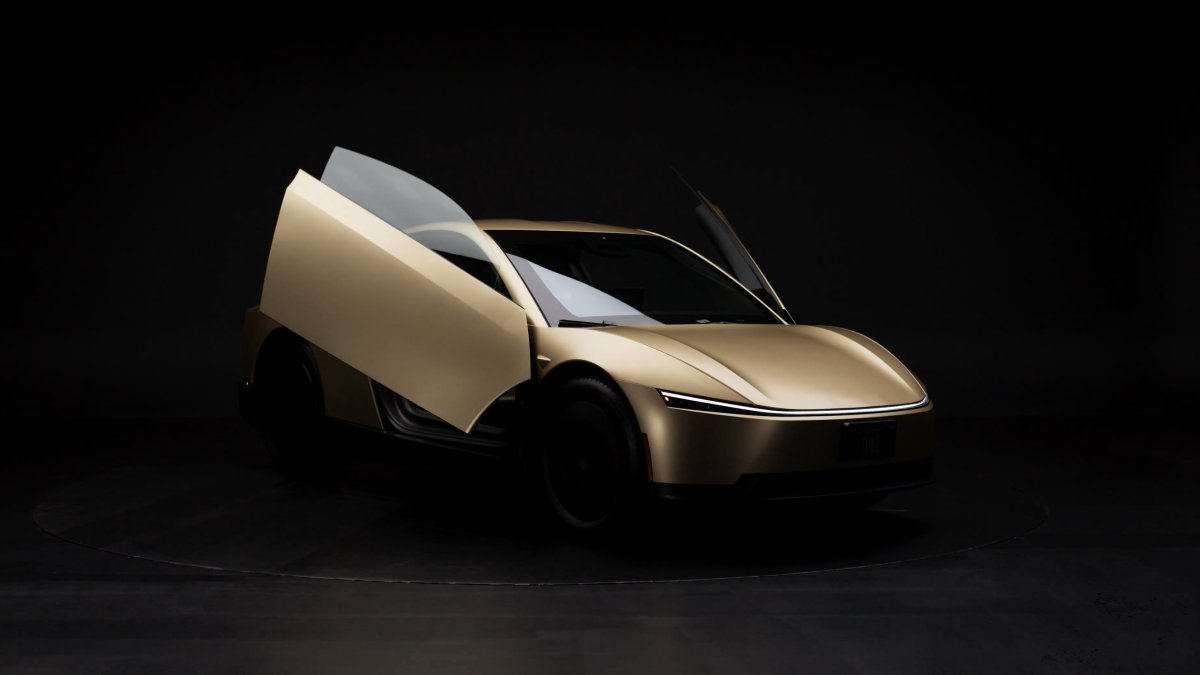
When Elon Musk responded to a user's compliment about the Cybercab being a piece of art with the statement, "And there is so much to this car that is not obvious on the surface," he was not merely deflecting praise or showing humility. His words suggest that there are hidden aspects of the Cybercab yet to be fully revealed.
While the Cybercab's sleek plastic exterior is visually impressive, the true craftsmanship lies beneath the surface. From enhancements in the manufacturing process to the intricate internal wiring and beyond, the Cybercab embodies the culmination of Tesla's engineering advancements over the past decade.
Let's delve deeper.
Revolutionary Production Technique
The most groundbreaking aspect of the Cybercab lies not in its design but in the innovative production method it heralds. Serving as the flagship vehicle for Tesla's new Unboxed Assembly process, this module-assembly approach aims to modernize traditional manufacturing lines, leading to cost reductions and time savings.
Unlike conventional vehicles that progress linearly along the assembly line as painted shells, the Cybercab will be constructed on parallel tracks, creating sub-assemblies for the front, rear, sides, and floor. These components are then seamlessly integrated at the final stage. This parallel assembly approach allows for concurrent work on different segments of the vehicle, significantly minimizing factory space requirements and production timelines.
Cutting-Edge Technologies: 48V Architecture & Etherloop
The Cybercab is expected to utilize Tesla's advanced 48-volt low-voltage architecture, initially introduced in the Cybertruck. By quadrupling the voltage from the standard 12V, Tesla can significantly reduce the size of the wiring harness.
Moreover, the 48V system facilitates data-over-power transmission through Etherloop, eliminating the need for extensive copper wiring. This results in a lighter, more streamlined vehicle that is easier to manufacture, automate, and service remotely.
Innovative Structural Battery Pack
A key technological innovation in the Cybercab is the integration of a structural battery pack. By embedding the cells directly into the chassis, likely utilizing Tesla's 4680 format, the vehicle gains enhanced rigidity. This structural enhancement enhances passenger safety and vehicle durability, reducing the risk of injuries in the event of a collision.
Inductive Charging System
An intriguing feature of the Cybercab is its omission of a conventional charging port in favor of inductive charging technology. This unique approach eliminates the need for cumbersome charging cables, with autonomous charging managed through Full Self-Driving (FSD) technology.
The Cybercab will be the first Tesla vehicle, and potentially the only one, to incorporate inductive charging. Originally slated for the Cybertruck, this feature now finds its debut in the Cybercab.
Innovative Paint-Infused Plastics
Tesla will employ a distinctive paint-infused plastic material for the Cybercab's exterior panels. These easily replaceable panels retain their color even if scratched, thanks to the paint infused throughout the plastic. This approach eliminates the necessity for a traditional paint shop, as the panels require no additional finishing.
Enhanced Serviceability and Cleanliness
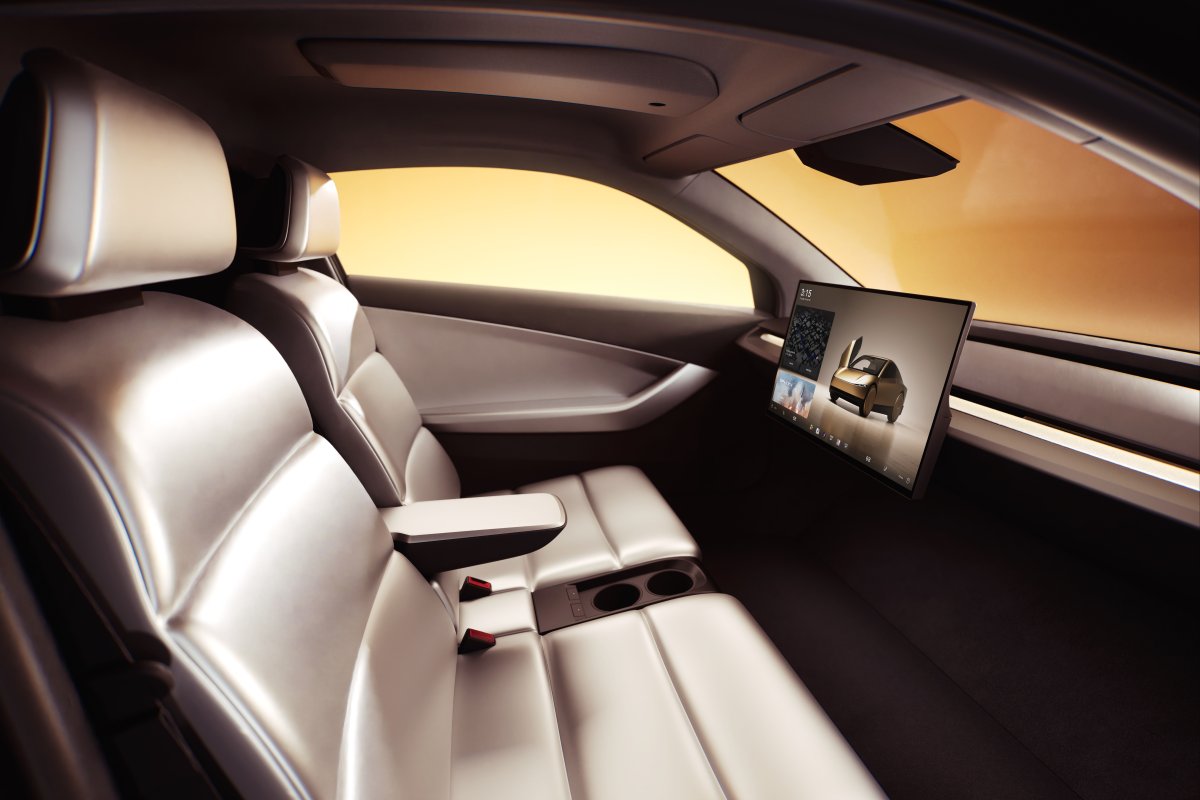
An essential aspect that enhances the practicality of the Cybercab is its interior design. While personal vehicles remain parked for 95% of the time, Robotaxis are in operation 95% of the time. This underscores the need for an easily maintainable and swiftly cleanable interior, which can be serviced and charged at centralized urban hubs. With wireless charging and robotic cleaning capabilities onsite for daily upkeep, Tesla envisions a future where employees or Optimus robots handle maintenance tasks efficiently.
Stay Updated
Subscribe to our newsletter to receive the latest updates on Tesla news, upcoming features, and software enhancements.
While the Cybercab's sleek plastic exterior is visually impressive, the true craftsmanship lies beneath the surface. From enhancements in the manufacturing process to the intricate internal wiring and beyond, the Cybercab embodies the culmination of Tesla's engineering advancements over the past decade.
Let's delve deeper.
Revolutionary Production Technique
The most groundbreaking aspect of the Cybercab lies not in its design but in the innovative production method it heralds. Serving as the flagship vehicle for Tesla's new Unboxed Assembly process, this module-assembly approach aims to modernize traditional manufacturing lines, leading to cost reductions and time savings.
Unlike conventional vehicles that progress linearly along the assembly line as painted shells, the Cybercab will be constructed on parallel tracks, creating sub-assemblies for the front, rear, sides, and floor. These components are then seamlessly integrated at the final stage. This parallel assembly approach allows for concurrent work on different segments of the vehicle, significantly minimizing factory space requirements and production timelines.
Cutting-Edge Technologies: 48V Architecture & Etherloop
The Cybercab is expected to utilize Tesla's advanced 48-volt low-voltage architecture, initially introduced in the Cybertruck. By quadrupling the voltage from the standard 12V, Tesla can significantly reduce the size of the wiring harness.
Moreover, the 48V system facilitates data-over-power transmission through Etherloop, eliminating the need for extensive copper wiring. This results in a lighter, more streamlined vehicle that is easier to manufacture, automate, and service remotely.
Innovative Structural Battery Pack
A key technological innovation in the Cybercab is the integration of a structural battery pack. By embedding the cells directly into the chassis, likely utilizing Tesla's 4680 format, the vehicle gains enhanced rigidity. This structural enhancement enhances passenger safety and vehicle durability, reducing the risk of injuries in the event of a collision.
Inductive Charging System
An intriguing feature of the Cybercab is its omission of a conventional charging port in favor of inductive charging technology. This unique approach eliminates the need for cumbersome charging cables, with autonomous charging managed through Full Self-Driving (FSD) technology.
The Cybercab will be the first Tesla vehicle, and potentially the only one, to incorporate inductive charging. Originally slated for the Cybertruck, this feature now finds its debut in the Cybercab.
Innovative Paint-Infused Plastics
Tesla will employ a distinctive paint-infused plastic material for the Cybercab's exterior panels. These easily replaceable panels retain their color even if scratched, thanks to the paint infused throughout the plastic. This approach eliminates the necessity for a traditional paint shop, as the panels require no additional finishing.
Enhanced Serviceability and Cleanliness
An essential aspect that enhances the practicality of the Cybercab is its interior design. While personal vehicles remain parked for 95% of the time, Robotaxis are in operation 95% of the time. This underscores the need for an easily maintainable and swiftly cleanable interior, which can be serviced and charged at centralized urban hubs. With wireless charging and robotic cleaning capabilities onsite for daily upkeep, Tesla envisions a future where employees or Optimus robots handle maintenance tasks efficiently.
Stay Updated
Subscribe to our newsletter to receive the latest updates on Tesla news, upcoming features, and software enhancements.
![Unlocking Tesla's Rear Screen to Access Various Video Streaming Apps/Services [VIDEO]](/uploads/articles/3/c275ee6c-bd13-47bc-b49b-55357f115597.jpeg)